


Aura Beat: Flow With Music
0.00.00 Reviews
App Specs
- Version
- 1.2
- Updated On
- License
- Free
- Downloads
- 10,000+
- Developer
- Playrow Games
- Categories
- Music
- Platform
- Android
Screenshots
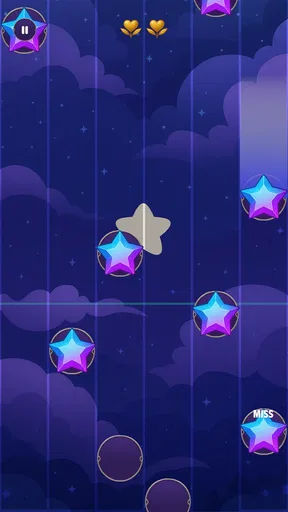
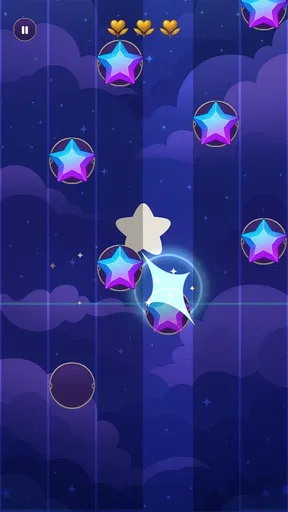
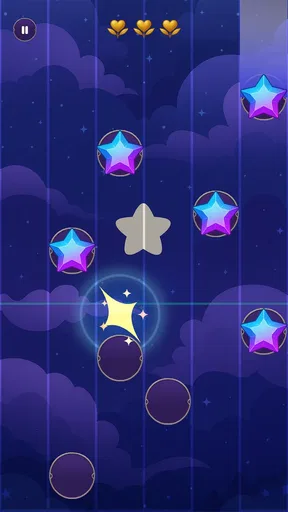
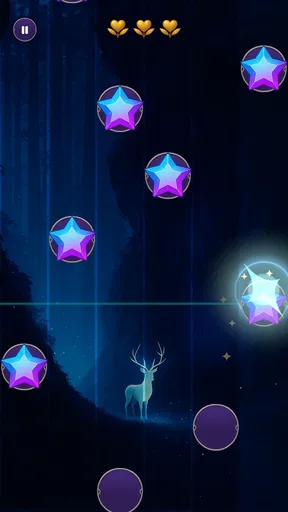
 Analysis by AppCompare
I approached Aura Beat: Flow With Music as a quick rhythm-game pick: something to open when I have a little time and want to concentrate on music rather than manage a complicated setup. Its appeal is immediate, but the more useful question is whether its tapping and timing stay enjoyable once the first burst of novelty passes. I’d describe it as a casual music game with room to test your reflexes, rather than a music-learning tool or a deep collection-management game.
Who will get the most from a short session
The best fit is someone who enjoys following a beat with their fingers and wants a game that can make an ordinary break feel more focused. A short session between tasks is a natural use: you can give the notes your attention, then put the phone away without needing to treat the game like a long evening commitment. I would also recommend it to someone trying rhythm games for the first time, since the basic idea is easy to understand even if timing takes practice.
It is a less obvious match for someone who mainly wants to listen to music passively. The game asks you to watch and respond, so it works best when you can give the screen your attention. If you need a low-effort soundtrack while commuting, working, or doing chores, a regular music player is a better choice. And if your main goal is to practise an instrument or learn songs in depth, a dedicated learning app offers a different kind of value.
A practical way to judge the challenge
Rather than treating every miss as a reason to replay immediately, I’d use the opening attempts to learn how the note patterns feel on your device. Notice whether you are reacting late, tapping too early, or losing track when several actions arrive close together. Those are different problems, and identifying which one is happening makes a retry more useful than simply repeating the same approach.
For a relaxed session, I’d stop when attention starts slipping instead of pushing through increasingly frustrating attempts. Rhythm games rely on timing and concentration; playing while distracted can make a fair challenge feel harder than it is. That small adjustment is particularly useful if you are fitting a round into a busy day: play when you can look at the screen, and save more demanding attempts for a moment when you are not rushing.
How it differs from familiar rhythm-game options
Compared with simple tap-to-the-beat games, the mix of taps, holds, and swipes gives your hands more than one kind of response to learn. That variety can make a track feel more involved than tapping a single lane, though it also means that anyone who prefers very minimal controls may find the extra gestures distracting. Against rhythm games built around a large, carefully browsed music library, the draw here is the immediate play-and-react loop rather than choosing a song as the main activity.
It also sits apart from music apps that reward listening without interaction. Here, the music is part of the challenge: you are following visual cues as well as the sound, so headphones may help you focus on the beat, but they are not a substitute for watching what appears on screen. I would choose this when I want an active little game, and choose a music player when I simply want to hear a particular artist or playlist.
Worth Reading Before You Choose

Switching to Android Auto Means Rethinking Your Driving Routine

Google Calendar Makes a Crowded Week Easier to Manage

Baby Panda World Brings Quick Play to Modern Phones, but Its Game Library Feels Busy

ESPN’s Live Game View Makes Following Close Games Easier

QuizzLand Review: A Good Fit for Short Trivia Breaks, Not Every Player

Basketball Stars: Multiplayer Is Fast, but Can It Recover When Matches Go Wrong?
Getting Started: First Impressions
When you first open Aura Beat: Flow With Music, you're greeted with a sleek, colorful interface that instantly screams "fun." The visuals are vibrant without being overwhelming, which is a big plus for me. It’s like they’ve perfectly balanced aesthetics with functionality, making it super user-friendly.
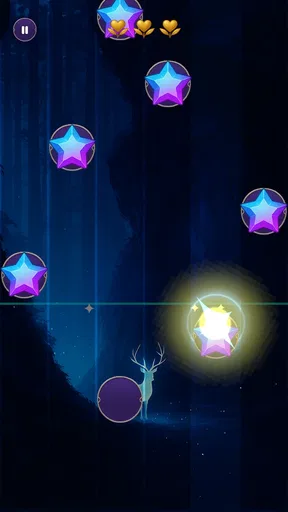
The game is all about rhythm and timing, and you’ll find yourself tapping, swiping, and holding your way through a variety of tracks. It kind of reminded me of a few other rhythm games I’ve tried before, but with its own unique twist. It’s like they took the best bits of my favorite music games and mashed them together.
Gameplay Mechanics: Tapping Into the Beat
Alright, let’s talk gameplay. The mechanics are pretty straightforward, which is great because it means you can dive right in without needing a tutorial longer than the game itself. You’ve got your standard taps, holds, and swipes, but what I really loved was how intuitive it felt. No awkward lag, and the controls are responsive enough to make you feel like you’re a rhythm pro in no time.
The soundtrack is what really sets this game apart. From pop to electronic, there’s something for every music lover. I found myself humming along to some tracks even after I stopped playing. It’s addictive, in the best way possible. And yes, I may have done a little chair dancing while playing. No shame here!
Visuals and Design: A Feast for the Eyes
Visually, the game is stunning without being over-the-top. The backgrounds are dynamic and shift with the music, which I thought was a neat touch. It adds an extra layer of immersion to the gameplay. The design is fluid, and the transitions are smooth, keeping you engaged without any visual clutter.
One thing I’d highlight is the color palette. It’s vibrant, energetic, and perfectly complements the music. It’s like they’ve synced the design to the beats, which is not only cool but enhances the overall experience.
Challenges and Progression: Keeping You Hooked
If you’re worried about getting bored, don’t be. The game ramps up in difficulty pretty quickly, which keeps things interesting. As you progress, the challenges become more intense, demanding quicker reflexes and sharper concentration. It’s addictive in that "just one more try" kind of way.
There are plenty of unlockables and achievements to keep you motivated. Whether it’s new tracks or special modes, there’s always something to strive for. This keeps the gameplay fresh and provides a great sense of accomplishment.
Social Features: Connect and Compete
Another cool feature is the social aspect. You can connect with friends and challenge them to beat your scores. I had a blast trying to outdo my buddies, and the leaderboard is a nice touch for those competitive vibes. It’s always fun to see where you stack up against others.
The community is active, and there’s a sense of camaraderie among players. It’s nice to be part of a group that shares the same love for music and rhythm games.
What the purchase details mean in practice
Playrow Games’ title is free to download, with optional in-app purchases listed from $0.49 to $99.99 per item. That range is broad, so I would not assume every purchase is relevant to every player or that spending is needed to enjoy the basic rhythm-game idea. Before buying anything, check the item description and the purchase confirmation on your device, and decide whether it offers something you actually want rather than buying because a difficult section has just frustrated you.
The game is rated for Everyone, which makes its stated age suitability broad; that does not tell me how a particular household handles purchases, though. If a child will play, I’d review the device’s purchase controls with them and make sure they know that optional items cost real money. For adults, the sensible approach is just as simple: enjoy the free entry point first, then consider an item only when its purpose and price make sense to you.
Fair play, progress, and the limits of what to infer
Scores and leaderboards can make a rhythm game more motivating, but they can also turn a relaxing break into a comparison exercise. I’d treat them as an optional reason to replay, not as proof that one player has a better experience or that spending is necessary to compete. The presence of purchases alone does not establish whether any item affects scores, access, or progression, so I would not make a fairness claim either way without seeing the specific item in context.
Likewise, a rising challenge can encourage practice, but it is worth separating skill progression from pressure to keep playing. If you catch yourself retrying because you are enjoying the pattern, that is the game doing its job. If you are continuing only because you feel pushed to recover a score or justify a purchase, taking a break is the better call. For me, that distinction matters more than chasing every unlock.
What I would check before settling in
A common practical question is whether the game suits a particular phone or tablet. Its minimum operating-system requirement is Android 8.0, and the current version is 1.2. I would check that your device meets the requirement before downloading, then try a brief session to see whether the controls feel comfortable on your screen. A rhythm game can feel quite different depending on how naturally you can reach the notes, even when the basic actions are simple.
Another question is whether it is a good fit for a young or inexperienced player. Its Everyone rating and easy-to-grasp action make it approachable, but the faster challenges may still take patience, and optional purchases deserve the usual supervision. A new player can start by focusing on the beat and learning the gestures rather than worrying about scores. For someone who wants a strict training plan or music theory, though, this is not a replacement for a dedicated lesson-based tool.
The game has 10K+ installs and an average rating of 0.0, so I would not use its rating as a meaningful shortcut for judging how it will feel to play. Those figures provide little basis for predicting your own enjoyment; the more useful test is whether you like the combination of visual cues, rhythm, and hand movements. It was released on May 26, 2025, and its free starting point makes that personal trial more relevant than trying to infer quality from a score alone.
Final Thoughts: Should You Download It?
So, is Aura Beat: Flow With Music worth a download? Absolutely! It’s a perfect blend of music, rhythm, and challenge. The gameplay is engaging, the visuals are stunning, and the soundtrack is top-notch. Whether you’re a casual player or a rhythm game enthusiast, there’s something here for everyone.
In short, if you’re looking for a fun way to pass the time and love music, this app is definitely for you. So go ahead, give it a try, and let the music move you!
My trust verdict
I’d give it a try if you want a free-to-start music game that asks you to participate rather than just listen. I would skip it if you want a large library chosen around your personal taste, an instrument-learning course, or a game that demands no visual attention. Its clearest appeal is the immediate rhythm challenge; its main caution is to keep optional spending and leaderboard pressure in perspective.
My practical recommendation is to start with a short session, see whether the gestures feel natural, and decide based on the play itself rather than assumptions about purchases or popularity. If the soundtrack and timing click for you, it can be a lively little break. If they do not, there is no need to force it: a different rhythm game or a straightforward music app may better match what you want from your phone.
Pros
- Intuitive interface for easy navigation.
- Wide variety of music tracks available.
- Engaging visuals enhance gameplay.
- Regular updates with new features.
- Customizable difficulty levels.
Cons
- Occasional lag on older devices.
- In-app purchases can be pricey.
- Requires internet for most features.
- Limited offline play options.
- Ads can be intrusive at times.
FAQs for Aura Beat: Flow With Music
What is Aura Beat: Flow With Music?
Aura Beat: Flow With Music is a rhythm-based game that combines captivating music tracks with engaging gameplay. Players tap and swipe to the beat, creating a dynamic and immersive experience. The app features a wide range of music genres, from electronic to classical, ensuring something for every musical taste.
Is Aura Beat: Flow With Music free to play?
Aura Beat: Flow With Music is free to download and play, but it includes in-app purchases. Players can enjoy a variety of free content, but additional songs and features may require payment. These purchases are optional and designed to enhance the gaming experience for those who choose to invest.
What are the system requirements for Aura Beat: Flow With Music?
For the best experience, Aura Beat: Flow With Music requires a device running iOS 11.0 or later, or Android 5.0 and up. A stable internet connection is recommended for downloading new songs and updates. Ensure your device has sufficient storage space to accommodate the game’s frequent updates and additional content.
Does Aura Beat: Flow With Music support multiplayer mode?
Currently, Aura Beat: Flow With Music does not support a traditional multiplayer mode. However, it offers leaderboards where players can compete for high scores and achievements against others globally. This feature adds a social element by allowing players to share their rankings and challenge friends.
How often does Aura Beat: Flow With Music update its song library?
The developers of Aura Beat: Flow With Music are committed to keeping the game fresh and exciting. New songs are typically added monthly, with occasional special updates featuring themed music packs. These updates ensure players have a diverse and ever-expanding selection of tracks to enjoy.


